What “Reconditioned Breakers” Really Means and Why They Matter

As electrical infrastructure across the U.S. continues to age, sourcing reliable replacement components has become increasingly challenging; especially for discontinued or legacy systems. This is where reconditioned breakers play a critical role.

Reconditioned circuit breakers offer a practical, sustainable, and cost-effective solution for maintaining existing electrical systems without sacrificing safety or performance. But what exactly are reconditioned breakers, and what does “reconditioned” really mean?

This guide breaks it all down, helping you understand how reconditioned circuit breakers work, why they’re a smart option for legacy systems, and how trusted suppliers like ElectriConnection help ensure quality and reliability.

What Are Reconditioned Circuit Breakers?

reconditioned breakers

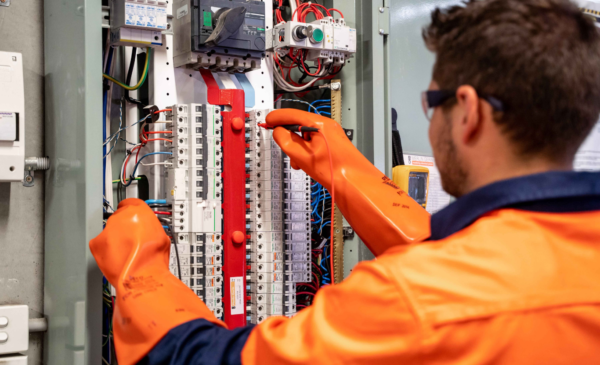
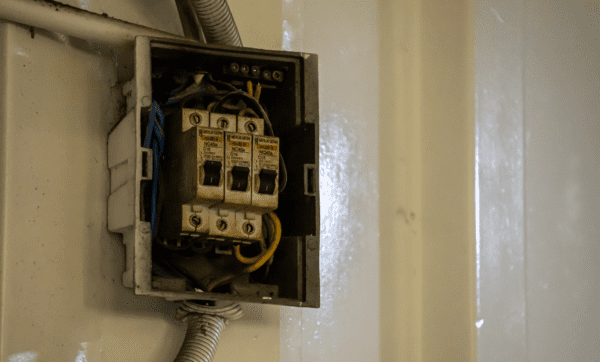
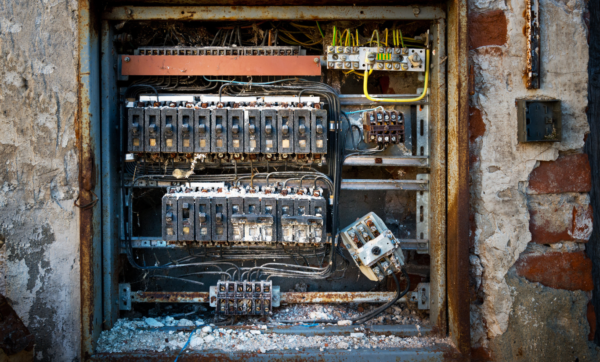
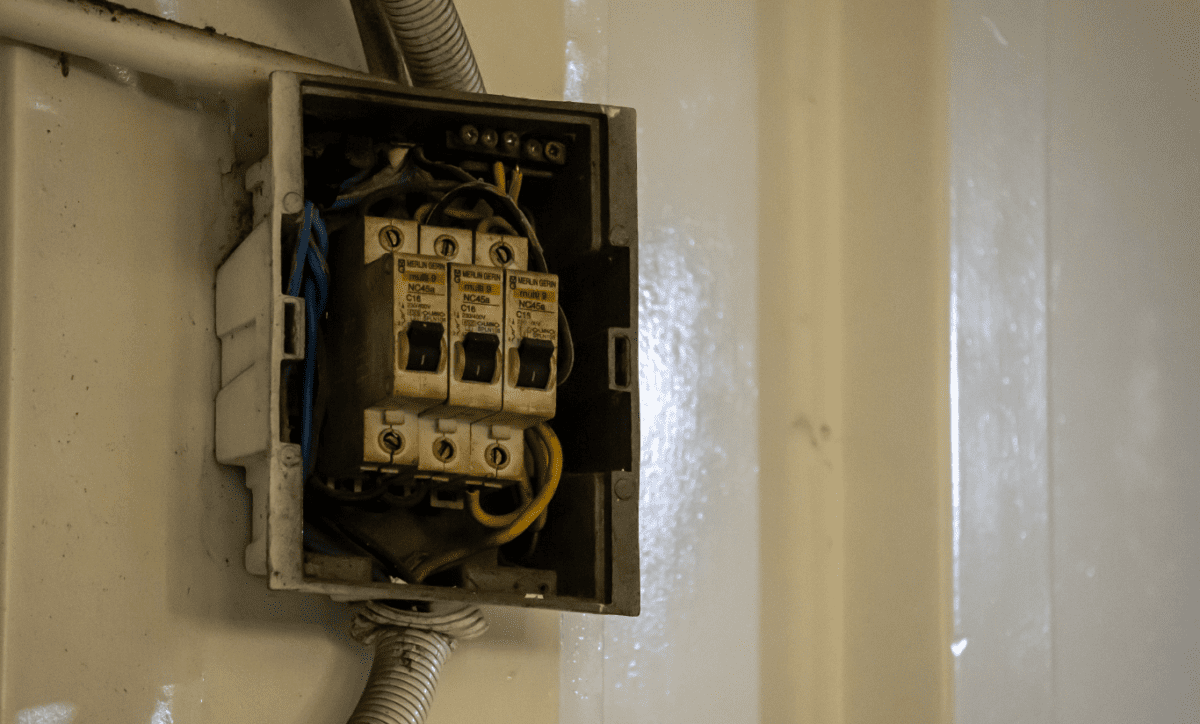
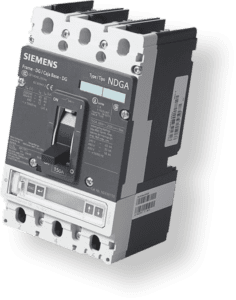
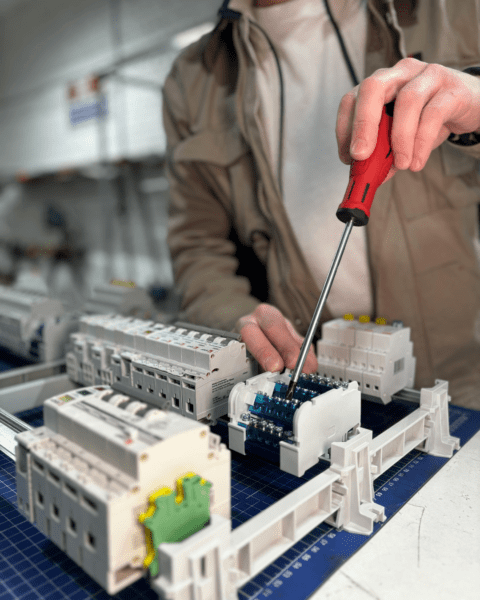
Reconditioned breakers are circuit breakers that have been previously installed or used, then professionally restored to meet strict operational and safety standards. Unlike surplus or “used as-is” components, reconditioned breakers go through a thorough inspection, cleaning, testing, and refurbishment process before being resold.

These breakers are commonly used in:

  • Commercial and industrial facilities
  • Manufacturing plants with aging equipment
  • Hospitals, schools, and municipal buildings
  • Data centers and infrastructure with legacy electrical systems

For many facilities, replacing an entire electrical panel or system simply isn’t feasible. Reconditioned components provide a reliable way to keep existing systems operational without costly upgrades.

What Does “Reconditioned” Really Mean?

Not all used electrical components are created equal. The term reconditioned has a very specific meaning in the electrical industry.

When it comes to circuit breakers, the reconditioning process typically includes:

1. Detailed Inspection

Each breaker is visually and mechanically inspected for wear, damage, or missing components. Only breakers that meet strict criteria move forward.

2. Professional Cleaning

Dust, debris, oxidation, and residue are removed using industry-approved methods. This ensures proper operation and heat dissipation.

3. Component Repair or Replacement

Worn or defective parts, such as springs, contacts, or insulation, are repaired or replaced to restore full functionality.

4. Electrical Testing

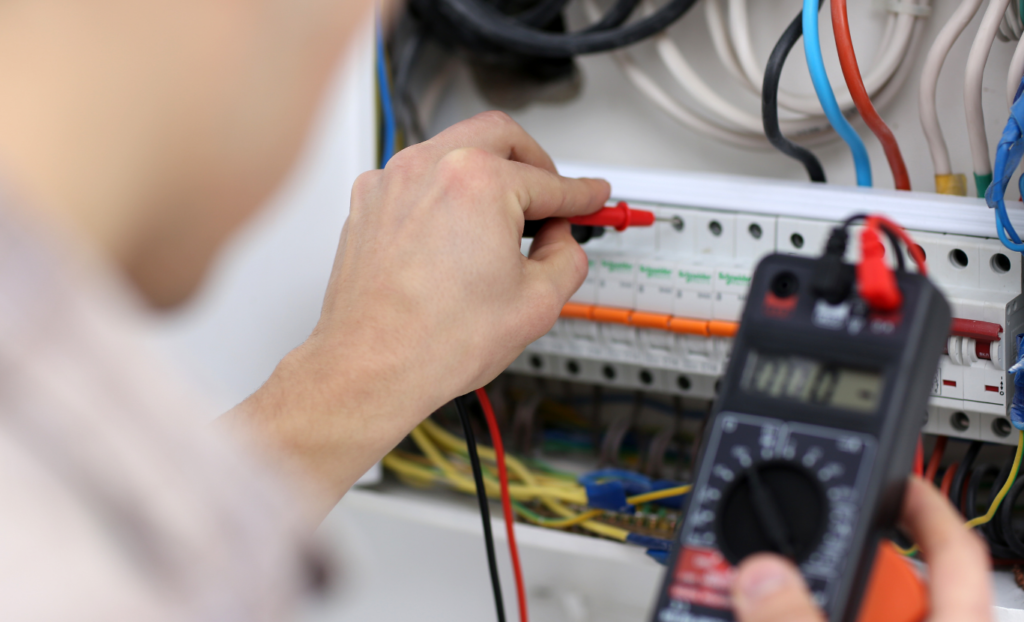
Reconditioned breakers are tested for proper trip functionality, insulation resistance, and continuity to confirm safe performance.

5. Final Quality Verification

Before resale, breakers are verified to meet or exceed original manufacturer performance standards.

This process ensures reconditioned breakers are safe, dependable, and ready for real-world use.

Reconditioned Breakers vs. Used or Refurbished Breakers

It’s important not to confuse reconditioned breakers with simply “used” or loosely refurbished parts.

  • Used breakers are often sold as-is with no testing or restoration
  • Refurbished breakers may receive limited cleaning or cosmetic fixes
  • Reconditioned breakers undergo a documented, professional restoration process

For facilities where safety, uptime, and compliance matter, reconditioned breakers are the clear choice.

Why Reconditioned Circuit Breakers Are Ideal for Legacy Electrical Systems

One of the biggest advantages of reconditioned breakers is their compatibility with legacy electrical systems.

Many older panels and switchgear were designed around breaker models that are no longer manufactured. Retrofitting or replacing those systems can be extremely expensive, and sometimes impossible without major downtime.

Reconditioned breakers allow facilities to:

  • Maintain original system design
  • Avoid costly panel replacements
  • Minimize operational disruptions
  • Extend the life of existing infrastructure

For industries that rely on continuous operation, reconditioned electrical parts are often the most practical solution available.

The Sustainability Benefits of Reconditioned Breakers

Beyond practicality, reconditioned electrical components also offer meaningful environmental benefits.

Choosing reconditioned electrical components helps:

  • Reduce electronic waste
  • Lower demand for raw material extraction
  • Minimize manufacturing-related emissions
  • Support a circular economy

Instead of sending usable components to landfills, reconditioning extends their lifecycle, making it a smart choice for companies with sustainability goals.

Cost-Effective Without Compromising Safety

New breakers, when available, can come with long lead times and high price tags. Reconditioned circuit breakers typically cost significantly less while still meeting strict performance standards.

This makes them ideal for:

  • Maintenance and repair budgets
  • Emergency replacements
  • Large facilities with multiple breaker types
  • Organizations managing aging infrastructure

When sourced from a trusted supplier like ElectriConnection, reconditioned electrical parts provide long-term value without sacrificing safety or reliability.

Why Sourcing Matters

Not all suppliers follow the same standards when it comes to reconditioned breakers. Proper testing, documentation, and industry knowledge are essential.

ElectriConnection specializes in sourcing, reconditioning, and supplying reconditioned breakers and legacy electrical components. Their expertise ensures customers receive parts that are:

  • Thoroughly tested
  • Correctly matched to existing systems
  • Ready for immediate installation
  • Backed by knowledgeable support

When dealing with critical electrical infrastructure, experience matters.

Reconditioned Breakers: A Smart, Sustainable Solution

Reconditioned breakers aren’t a compromise on quality, they’re a strategic and sustainable choice. They support aging systems, reduce environmental impact, control costs, and keep facilities running safely and efficiently.

Whether you’re maintaining legacy equipment, facing discontinued parts, or simply looking for a smarter alternative to new components, reconditioned breakers offer a proven solution.

ElectriConnection continues to be a trusted resource for businesses seeking reliable reconditioned and legacy electrical parts; helping bridge the gap between yesterday’s systems and today’s demands.

What Does MCC Stand for in Electrical Systems?

If you work in industrial, commercial, or facility electrical environments, you’ve probably come across the term MCC. Many people search what does MCC stand for in electrical when troubleshooting equipment, reviewing drawings, or sourcing replacement components, but the answer involves more than just an acronym.

Understanding what an MCC is, how it functions, and why it matters can help prevent downtime, improve safety, and simplify maintenance decisions.

What Does MCC Stand for in Electrical?

In electrical systems, MCC stands for Motor Control Center.

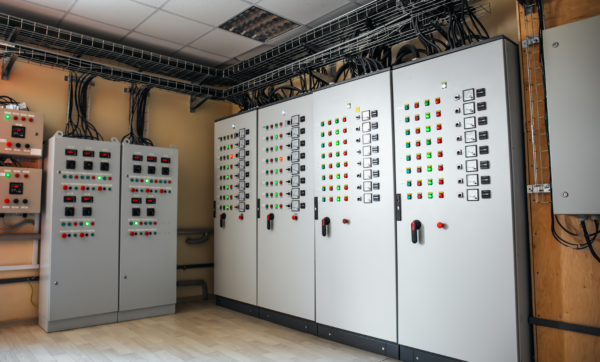
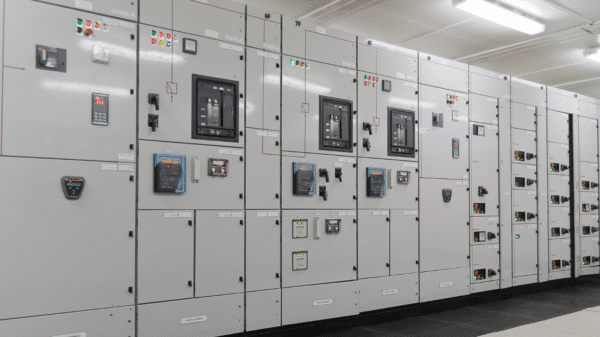
A Motor Control Center is a centralized assembly that houses motor starters, circuit protection, and control devices used to manage and protect electric motors. MCCs are commonly found in industrial and commercial facilities where multiple motors operate machinery, pumps, fans, or conveyors.

So when someone asks what does MCC stand for in electrical, the answer is simple, but its role is critical.

What Is a Motor Control Center?

A Motor Control Center is a modular, enclosed system designed to:

  • Control motor operation
  • Protect motors from electrical faults
  • Centralize motor-related components
  • Simplify troubleshooting and maintenance

Instead of individual motor controls scattered throughout a facility, an MCC brings everything together in one organized location.

mcc bucket components. what does mcc bucket stand for in electrical

What Components Are Inside an MCC?

Understanding what does MCC stand for in electrical also means understanding what’s inside one. A typical MCC may include:

  • Motor starters
  • Circuit breakers or fused disconnects
  • Contactors
  • Overload relays
  • Variable frequency drives (VFDs)
  • Control transformers
  • Terminal blocks and wiring

Each motor bucket within the MCC is dedicated to a specific motor or load, making system management more efficient.

Where Are MCCs Commonly Used?

Motor Control Centers are widely used in environments where motors are essential to daily operations, including:

  • Manufacturing plants
  • Water and wastewater facilities
  • Food and beverage processing
  • Oil and gas operations
  • Commercial HVAC systems
  • Data centers and large mechanical rooms

For facilities running multiple motors, MCCs provide structure, safety, and reliability.

Why MCCs Matter in Electrical Systems

MCCs play a key role in electrical system performance and safety. When people search what does MCC stand for in electrical, they’re often trying to understand why these systems are so important.

Key benefits include:

  • Centralized motor control
  • Improved electrical protection
  • Faster troubleshooting
  • Reduced downtime
  • Safer maintenance procedures

By isolating faults and organizing controls, MCCs help prevent minor issues from becoming major failures.

MCCs and Legacy Electrical Systems

Many older facilities still rely on MCCs that were installed decades ago. While the enclosures themselves are built to last, internal components such as breakers, starters, and contactors may become discontinued over time.

This is where expertise and sourcing matter.

Replacing an entire Motor Control Center can be costly and disruptive. In many cases, maintaining or upgrading individual components is a more practical solution, especially for legacy systems.

Sourcing MCC Components and Replacement Parts

Finding compatible MCC components can be challenging, particularly for older or discontinued equipment. Part numbers change, manufacturers merge, and original components may no longer be produced.

That’s why working with a knowledgeable supplier is essential.

ElectriConnection supports customers by sourcing:

  • MCC breakers and motor starters
  • Legacy and discontinued components
  • Reconditioned electrical parts
  • Compatible alternatives for aging systems

Their experience with Motor Control Centers helps ensure the right part is selected the first time.

MCC vs. Panelboard or Switchgear

Another reason people ask what does MCC stand for in electrical is to understand how it differs from other electrical equipment.

  • MCCs focus specifically on motor control and protection
  • Panelboards distribute power to branch circuits
  • Switchgear manages high-power distribution and system protection

Each serves a different purpose, but MCCs are uniquely designed around motor-driven applications.

Why Understanding MCCs Saves Time and Money

Knowing what does MCC stand for in electrical isn’t just about terminology, it helps with:

  • Reading electrical drawings accurately
  • Ordering the correct replacement parts
  • Communicating clearly with electricians and suppliers
  • Making informed maintenance decisions

A clear understanding reduces errors, delays, and unnecessary system upgrades.

Your Resource for MCC Knowledge and Parts

Motor Control Centers are a cornerstone of industrial electrical systems. Whether you’re maintaining existing equipment, replacing components, or troubleshooting a motor issue, understanding MCCs is essential.

ElectriConnection helps bridge the gap between technical knowledge and real-world solutions by supporting MCC systems with expertise, hard-to-find parts, and reliable sourcing.

Electrical Parts Near Me in the Denver-Metro Area

When people search for “electrical parts near me”, they’re usually looking for more than just inventory; they want expertise, availability, and a supplier they can trust right now. Whether you’re a contractor, facility manager, maintenance technician, or business owner, having a reliable local electrical supplier makes all the difference.

Located in Arvada, ElectriConnection serves in-person customers across the Denver metro area with hard-to-find electrical components, legacy parts, and dependable sourcing support you won’t get from big-box stores or online-only suppliers.

Why “Electrical Parts Near Me” Matters More Than Ever

Electrical systems don’t wait. Downtime, outages, or equipment failures demand fast solutions and shipping delays or mismatched parts can cost time and money.

Choosing a local supplier in your search for “electrical parts near me” means:

  • Faster access to critical components
  • In-person support and part verification
  • Reduced downtime for repairs and upgrades
  • Confidence you’re getting the right part the first time

ElectriConnection exists to meet those needs, especially when standard suppliers fall short.

A Wide Range of Electrical Parts—All in One Place

bus plugs supplier. what is a bus plug. electrical parts near me

ElectriConnection supports a broad range of electrical applications, from modern systems to aging infrastructure. Customers searching for “electrical parts near me” rely on ElectriConnection for access to:

  • Circuit breakers (including discontinued and legacy models)
  • Switchgear and panel components
  • Control and automation parts
  • Industrial electrical components
  • Reconditioned and hard-to-source electrical equipment

If it’s difficult to find, discontinued, or no longer manufactured, chances are ElectriConnection can source it.

Local Expertise You Can Talk To—Not a Call Center

One of the biggest differences between ElectriConnection and national chains is expertise. When customers walk into our flagship Arvada location, they’re working with specialists who understand electrical systems, not just part numbers.

That local knowledge helps customers:

  • Match parts correctly to existing systems
  • Avoid costly compatibility mistakes
  • Find alternatives when OEM parts are unavailable
  • Solve problems faster with real-world insight

When searching for “electrical parts near me”, that level of support is often the deciding factor.

An Expansive Supplier Network That Works for You

ElectriConnection combines the advantages of a local storefront with a powerful, nationwide supplier network. That means customers get the best of both worlds:

  • Local pickup and in-person support
  • Access to a vast inventory beyond what’s on the shelf
  • Faster sourcing for discontinued or specialty parts
  • Reliable options for legacy and industrial systems

Even when a part isn’t immediately available locally, ElectriConnection’s supplier relationships allow them to track it down quickly, something online searches for electrical parts near me can’t always deliver.

Supporting Legacy Systems and Specialized Applications

Many facilities across Colorado still rely on older electrical infrastructure. Replacing entire systems isn’t always practical or necessary.

ElectriConnection specializes in supporting:

  • Legacy electrical panels and switchgear
  • Discontinued breaker models
  • Aging industrial and commercial systems
  • Maintenance and repair over full replacement

This makes them a go-to resource for customers who search “electrical parts near me” and actually need solutions for real-world conditions.

Why In-Person Matters

Online suppliers can ship parts, but they can’t look at your system, ask clarifying questions, or help you verify compatibility before you buy.

Visiting ElectriConnection in Arvada gives customers:

  • Face-to-face support
  • Immediate answers
  • Confidence in part selection
  • Faster turnaround for urgent needs

For many professionals, that’s exactly what they’re looking for when they type “electrical parts near me” into a search engine.

Serving Arvada and the Greater Denver Metro Area

Conveniently located in Arvada, ElectriConnection supports customers throughout:

  • Arvada
  • Denver
  • Wheat Ridge
  • Westminster
  • Lakewood
  • Broomfield and surrounding areas

If you need dependable electrical parts near you, ElectriConnection is a great, local option, whether you’re stopping by in person or working with their sourcing team.

Your Local Partner for Electrical Parts Near Me

Finding electrical parts near you shouldn’t mean guessing, waiting, or settling for the wrong component. With a physical location, experienced staff, and an expansive supplier network, ElectriConnection delivers solutions that keep systems running.

From everyday electrical components to hard-to-find legacy parts, ElectriConnection is the trusted local source for professionals who need reliability, speed, and expertise all under one roof.

Local Circuit Breaker Supply House in Denver

In the world of electrical maintenance, construction, and repair, the demand for reliable and versatile circuit breaker solutions is paramount. ElectriConnection is a local circuit breaker supply store in Arvada and Denver with over 30 years serving our local electrical community.

Our team at ElectriConnection has over 80 years of combined industry knowledge, so we know how to help your team with modern and legacy electrical systems. Our flagship store is available for commercial and public use with a promise we can source a part out of stock fast leveraging our 200+ nationwide supplier network. Want to know why working with a local circuit breaker supply house is a great resource for both professionals and homeowners alike? We’re happy to let you know in this article.

Unparalleled Local Access and Convenience

local

The primary advantage of a local circuit breaker supply house in the Arvada and Denver metro areas is the unparalleled access and convenience we provide. Whether you’re a professional electrician facing a tight deadline or a homeowner undertaking a DIY project, having one nearby means you can quickly and easily obtain the necessary components without lengthy shipping delays or the hassle of long-distance travel.

Wide Range of Products and Expertise

circuit breaker supplier

A standout feature of a local circuit breaker supply house is the breadth of its inventory. We don’t just stock standard items; we also specialize in a variety of circuit breakers, including new, reconditioned, and even obsolete models. This extensive range ensures that you can find exactly what you need for any project, be it a contemporary installation or a repair on older systems.

Dedicated and Personalized Customer Service

Local suppliers in Arvada and Denver are renowned for their dedicated customer service. At ElectriConnection, we comprehend the distinct needs of our community and pledge to offer personalized solutions. This tailored approach is particularly beneficial when dealing with unique or complex electrical systems, ensuring that clients receive the most suitable products and advice for their specific requirements.

Boosting the Local Economy

Choosing a local circuit breaker supplier supports the Arvada and Denver metro area’s economy. These businesses not only provide employment opportunities within the community but also contribute to the economic ecosystem. By patronizing ElectriConnection, you’re helping to sustain the economic vitality of the area.

Quick Response and Efficient Problem-Solving

In the world of electrical work, time is often of the essence. Local suppliers offer the advantage of a quick response, which is crucial during emergency situations or when urgent replacements are needed. At Electriconnection, our proximity allows for faster service, helping to reduce downtime and ensuring that your projects stay on schedule.

Assurance of Quality and Dependability

At ElectriConnection, we are committed to providing products that meet the highest standards of quality and safety. We understand that reliable and efficient circuit breakers are crucial for the safety of electrical systems. We conduct rigorous testing and quality checks, ensuring that each product, whether new or reconditioned, meets these stringent standards.

Competitive Pricing Without Compromising Quality

Our customer’s favorite advantage to choosing a local circuit breaker supply house? Our competitive pricing on new, used, and hard-to-find electrical parts. Understanding the market allows these businesses to price their products and services appropriately, providing value without compromising on quality. This approach benefits customers by offering affordable options without the risk of inferior products.

Fostering Long-Term Customer Relationships

ElectriConnection prioritizes lasting customer relationships. Our approach goes beyond transactional interactions; we aim to become a trusted part of your regular supply chain, understanding your ongoing needs and adapting to them over time.

Why a Local Circuit Breaker Supply House

local circuit breaker supply

For those in the Arvada and Denver-metro area, ElectriConnection is proud to serve as your local circuit breaker supply house. With a convenient in-person location, nationwide supplier network, industry expertise, and human-first approach makes us a standout option for your electrical supply needs.

In addition to circuit breakers, we offer a wide range of electrical parts and personalized customer service. We know every job is unique and are dedicated to maintaining the highest quality standards whether your part is new or used. Whether you are a professional electrician, contractor, or DIY enthusiast, a local circuit breaker supply house like ElectriConnection is ready to offer our expertise, diverse product selection, and human-first support to meet all your electrical needs. Ready to power up your next project? Contact ElectriConnection today!

Switch Panels: A Simple, Helpful Guide for Contractors and Homeowners

When you flip a light, power a motor, or start a machine, there is usually a small control surface making it possible. That control surface is often built around switch panels that organize the right switches in the right place so power is safe, simple, and reliable. This quick guide explains what they are, why they matter, and how ElectriConnection can help you find the best fit for your project.

What are switch panels?

At the most basic level, switch panels are collections of switches arranged on a single plate, enclosure, or control surface. They allow you to turn circuits on and off, select operating modes, and isolate equipment for service. Because they centralize control, they improve safety and reduce clutter compared to scattered individual devices.

Where they fit in an electrical system

In a typical installation, switch panels sit between the power source and the equipment you need to control. They can trigger lighting zones, ventilation fans, pumps, conveyors, and many other loads. Good layouts save time for installers, make daily operation intuitive for users, and simplify maintenance for technicians. The goal is dependable control and clear labeling so anyone can understand what each switch does at a glance.

Common styles and features

There is a wide range of switch panel styles, from rugged industrial units to sleek flush-mount options for finished spaces. Popular features include:

  • Panel mount switches that install through a cutout and secure with a nut or mounting hardware
  • Indicator lights to confirm power or status
  • Lockable disconnects to keep people safe during service
  • Weather-resistant designs for garages, shops, and outdoor areas
  • Clear legends and labels so users know exactly what each control does

Together, these features help switch panels deliver clean, dependable control with minimal complexity.

Everyday uses

Switch panels show up in many places:

  • Homes and multifamily buildings: controlling lighting scenes, garages, workshops, and home offices
  • Commercial spaces: managing signage, HVAC zones, kitchens, and storage areas
  • Industrial sites: starting motors, selecting machine modes, and isolating circuits for safety
  • Renovations and upgrades: replacing scattered toggles with one organized control point

If your goal is a tidy, intuitive interface, switch panels are often the fastest way to get there.

How to choose the right panel

When comparing switch panels, start with load types, voltage, and current. Then consider environment and durability, including temperature, moisture, and dust. Think about the end user, too. Clear labeling, consistent switch types, and logical grouping reduce errors and help new staff learn quickly. Finally, plan for growth. Leaving a little room for future circuits keeps you from starting over later.

ElectriConnection’s offering

ElectriConnection has been supporting Colorado’s electrical community for more than three decades. Founded by Bob Reynolds over 33 years ago, we pair a deep in-house inventory with fast, friendly service backed by more than 80 years of combined team experience. We supply new, used, and hard-to-find gear every day, and most items are available for same-day pickup. If we do not have it on the shelf, we leverage a network of over 200 suppliers nationwide to locate it quickly.

Panel mount switches we carry

Our core switch panel category is panel mount switches that drop into your control surface. We stock options across many families, including:

  • Continental*
  • Square D*
  • FPE/Challenger*
  • Sylvania/Zinsco*
  • General Electric/ABB*
  • Westinghouse*/Cutler-Hammer*/Eaton*
  • ITE*/Siemens*
panel mount switches. panel mount switch, switch panels

*We are not an authorized distributor of panel mount switches from these manufacturers.

These panel mount switches support industrial, commercial, and residential control applications. From heavy duty to refined aesthetics, you can match performance and look to the project.

Why professionals choose ElectriConnection

  • Depth of inventory: New, used, and obsolete parts for fast turnarounds
  • Experienced guidance: Practical help matching the right device to the job, especially for switch panels layouts
  • Speed: Same-day pickup on many items, with quick sourcing when not in stock
  • Value: Competitive pricing and honest advice so you get exactly what you need

Getting started

Whether you are building a new control station or cleaning up an old utility wall, our team can help you select the right combination of enclosure, cutouts, and panel mount switches. Bring us a photo, a parts list, or a quick sketch and we will point you to reliable components that install cleanly and work the way you expect.

Why ElectriConnection is Denver’s Go-To Electrical Supply Partner

Finding the right electrical parts for a project can be challenging—especially when dealing with discontinued or hard-to-find components. At ElectriConnection, we’ve built our reputation as the trusted choice for Denver electrical supply, offering both new and obsolete parts with unmatched speed and reliability. Whether you’re a contractor on a tight deadline or a facility manager sourcing legacy components, we’re here to make the process simple.

A Local Partner for All Your Electrical Supply Needs

Based in Denver, ElectriConnection specializes in connecting customers with the exact parts they need, fast. Our team understands the unique demands of the electrical industry and the frustration that comes with delays or unavailable components. That’s why we’ve developed a vast network of suppliers, manufacturers, and distributors to ensure you get what you need, when you need it.

From common electrical components to rare or discontinued parts, our catalog covers a wide range of products used in construction, industrial maintenance, and commercial applications. This flexibility allows us to serve everyone from electricians and contractors to maintenance teams and purchasing managers.

Specializing in Hard-to-Find and Obsolete Parts

One of the biggest challenges in the electrical industry is sourcing obsolete or discontinued components. Many projects, especially repairs or system upgrades, depend on parts no longer manufactured. ElectriConnection has earned a reputation for being able to track down these hard-to-find items quickly and cost-effectively.

Our strong relationships with suppliers nationwide give us access to inventories that other Denver electrical supply companies may not have. This means fewer delays, less downtime, and more confidence in meeting your project deadlines.

Fast Access to New Electrical Products

While obsolete parts are a major part of our business, we also provide access to the latest electrical products on the market. Need modern circuit breakers, wiring, or other electrical essentials? ElectriConnection’s network ensures competitive pricing and quick turnaround, helping you keep projects on schedule and within budget. As a trusted Denver electrical supply source, we make it easy to find both new and hard-to-find parts in one place.

Parts We Carry

ElectriConnection stocks and sources a comprehensive selection of electrical components for projects of all sizes. Whether you’re upgrading existing systems, repairing critical equipment, or starting a new installation, we provide fast access to parts such as:

  • Breakers – Molded case, insulated case, and air breakers. All brands, frames, types, and amperages.
  • Transformers – All dry-type transformers in all sizes, voltages, and configurations. From 300 kVA to 750 kVA.
  • Bus Plugs – Obsolete to current models. All manufacturers. Fused and circuit breaker types.
  • Fuses – All manufacturers, class types, brands, and amperages. Fractional amp up to 4000 amps.
  • MCC Buckets – Obsolete to current models. All manufacturers. Fused and circuit breaker types. Configured to your needs.
  • Disconnects / Safety Switches – Indoor, outdoor, single-phase, three-phase, fusible, non-fusible. All brands, amperages, 240 and 600 volts.
  • Panel Mount Switches – All manufacturers. Obsolete to current models. 240 and 600 volts. Single-phase, three-phase, fused and breaker types.

If you don’t see what you need listed, our sourcing team can quickly track down rare, obsolete, or discontinued items through our extensive supplier network. This commitment is why ElectriConnection is a go-to Denver electrical supply partner for hard-to-find parts.

The ElectriConnection Difference

What makes us different from other Denver electrical supply companies? It’s our commitment to service and problem-solving. We go beyond simply stocking shelves:

  • Extensive Network: We maintain connections with a wide range of manufacturers and suppliers, giving us the ability to source parts others can’t.
  • Speed and Efficiency: We know downtime is costly, so we prioritize rapid fulfillment for every order.
  • Customer-First Approach: Every interaction is guided by our values—honesty, responsiveness, and a focus on finding the best solution for your needs.
  • Industry Knowledge: Our team brings years of experience in the electrical supply industry, allowing us to anticipate challenges and offer expert guidance.
breaker box parts, circuit breaker filler plate, circuit breaker replacement parts. denver electrical supply

Why Choose a Local Denver Electrical Supply Company?

Working with a local partner like ElectriConnection offers unique benefits. We understand the Denver market, from its growing construction sector to specialized industrial needs. Local support means faster response times, personalized service, and the peace of mind that comes from dealing with a company that knows your challenges firsthand.

Partner with ElectriConnection Today

When you need a trusted partner for Denver electrical supply, ElectriConnection is ready to deliver. From hard-to-find obsolete parts to brand-new components, we streamline the sourcing process and help keep your projects moving forward.

Visit ElectriConnection to learn more about our products, request a quote, or get help sourcing your next part. Let us prove why we’re the go-to Denver electrical supply company.

Essential Guide to MCC Bucket Components: Unlocking Reliable Motor Control

If you’re working in industrial electrical systems, you’ve likely come across the term MCC bucket, but what exactly does that mean, and what are the key MCC bucket components that make these systems functional? In this guide, we’ll break down the core elements inside a Motor Control Center (MCC) bucket, how they work together, and how ElectriConnection supports contractors and engineers with a wide supply of MCC buckets and replacement electrical parts.

What Is an MCC Bucket?

An MCC bucket is a modular unit housed inside a motor control center (MCC), which is essentially a centralized system used to control some or all electric motors in an industrial facility. These buckets are self-contained units that can be easily removed or replaced and are designed to hold and protect critical electrical components that control a motor or group of motors.

mcc bucket components

MCC buckets are vital for motor control, safety, and ease of maintenance—allowing facilities to isolate issues, change configurations, or perform service with minimal disruption to operations.

What Are the Core MCC Bucket Components?

Each MCC bucket contains a specific set of components tailored to the type of motor or application it controls. The most common MCC bucket components include:

1. Circuit Breakers or Fuses

These are the primary protective devices inside the bucket. They prevent damage to motors and wiring by interrupting the circuit when a fault occurs. Some buckets may include thermal-magnetic circuit breakers or current-limiting fuses depending on the application.

2. Contactors

A contactor is a switch that turns the motor on or off by opening or closing the electrical circuit. It’s controlled by a lower-voltage signal and is one of the most critical components in the bucket, as it handles the high current required to power motors.

3. Overload Relays

Overload relays protect motors from overheating due to excessive current draw. They work with the contactor to shut down the motor if the current exceeds a preset limit over time, reducing the risk of motor damage or fire.

4. Control Transformers

If the motor control system needs a lower control voltage (typically 120V), a transformer is included to step down the voltage safely. This is essential for operating push buttons, indicator lights, and other control elements.

5. Terminal Blocks and Wiring

All the internal components are interconnected via wiring and terminal blocks, allowing for easy installation and maintenance. Clear labeling and secure connections help reduce downtime during repairs or changes.

6. Auxiliary Devices

Some MCC buckets may include pilot lights, selector switches, timers, or programmable relays. These devices provide additional control and monitoring functionality specific to the motor or process being controlled.

Together, these MCC bucket components form a complete motor control package that is easy to install, service, and customize.

Why MCC Bucket Components Matter

In any industrial or commercial setting, time is money. When a motor fails or needs servicing, having a well-designed and modular MCC bucket means you can swap out the unit without shutting down the entire system. The ability to quickly replace or upgrade individual MCC bucket components helps reduce downtime, improve safety, and extend the life of your electrical system.

That’s why choosing the right bucket, and knowing exactly what components you need, is critical to maintaining efficient operations.

ElectriConnection: Your Trusted Source for MCC Buckets & Components

At ElectriConnection, we understand how vital MCC buckets are to your operations. That’s why we stock a wide range of new, used, and obsolete MCC buckets ready for same-day pickup or fast delivery.

Whether you’re looking for a complete MCC bucket or a single replacement contactor, breaker, or overload relay, we’ve got you covered. And if we don’t have it in stock? No problem. With access to a nationwide network of over 200 suppliers, we’ll source your part quickly and cost-effectively.

With over 80 years of combined industry experience, ElectriConnection is proud to serve everyone from large industrial contractors to independent electricians and facility maintenance teams. Our inventory includes trusted brands and hard-to-find parts alike—backed by a commitment to honest service, technical knowledge, and unbeatable turnaround times.


Need MCC Bucket Components? Contact ElectriConnection Today

Don’t let motor control issues bring your facility to a halt. Call ElectriConnection at (303) 423-4866 or request a quote online. We’ll help you find the right MCC bucket components fast so you can get back to work with confidence.

What Are Electrical Disconnects?

If you’ve ever worked with electrical systems—whether as a homeowner, contractor, or facility manager—you’ve likely heard the term electrical disconnects. But what exactly are they, and why are they so important?

At ElectriConnection, we’ve been supplying electrical equipment for over 33 years, and we’re here to help you understand the tools that keep your systems safe, functional, and code-compliant. In this post, we’ll break down what electrical disconnects are, when you need them, the different types available, and what to consider when selecting one.


What Is an Electrical Disconnect?

An electrical disconnect, also known as a disconnect switch or safety switch, is a device used to safely shut off power to a specific part of an electrical system. It provides a clear, visible means of disconnection between the power source and the equipment being serviced or installed.

disconnects. electrical disconnects

In simple terms, electrical disconnects help isolate equipment for maintenance or emergencies. They’re essential for safety, protecting both workers and property from the risks of electrical shock, arc flash, and fire.


Why Disconnects Are Important

There are several reasons electrical disconnects are critical to any system:

  • Safety Compliance: The National Electrical Code (NEC) requires electrical disconnects for most major appliances, HVAC systems, and industrial equipment.
  • Emergency Shutoff: In the event of a short circuit or fire, electrical disconnects allow you to quickly cut power to affected areas.
  • Maintenance Access: Servicing machinery without a disconnect switch poses a serious risk. A disconnect provides a safe working environment.
  • Equipment Protection: Overcurrent protection within many disconnects helps safeguard devices from electrical damage.

Types of Electrical Disconnects

Choosing the right type of electrical disconnect depends on your specific needs. Here are the most common types:

1. Fused Disconnects

Fused electrical disconnects combine a switch and a fuse in one enclosure. These provide short-circuit protection in addition to a safe shutoff method.

2. Non-Fused Disconnects

Non-fused disconnects provide a means to shut off power but rely on an upstream breaker or fuse for overcurrent protection. These are typically used in applications where protection already exists elsewhere in the circuit.

3. Manual Motor Disconnects

These are designed to isolate motors and are commonly used in industrial settings. Manual disconnects offer a reliable way to service motors without risk of shock.

4. Safety Switches

Often used interchangeably with the term electrical disconnects, safety switches are usually housed in a heavy-duty enclosure and are ideal for outdoor or industrial environments.


Where Disconnects Are Used

You’ll find electrical disconnects in a wide variety of settings:

  • Residential: For air conditioners, water heaters, and solar systems.
  • Commercial: In restaurants, retail stores, and office buildings.
  • Industrial: For large motors, machinery, and lighting control systems.
  • Agricultural: To safely manage power for irrigation systems and grain elevators.

How to Choose the Right Electrical Disconnect

At ElectriConnection, we help customers select the best electrical disconnects for their unique applications. Here’s what to consider:

  • Voltage and Amperage: Make sure the disconnect is rated to handle the electrical load.
  • Fused vs. Non-Fused: Does your system already have circuit protection?
  • Indoor vs. Outdoor: Look for NEMA-rated enclosures for wet or dusty environments.
  • Mounting Style: Wall-mount vs. panel-mount options are available based on space and accessibility.

Why Choose ElectriConnection?

With over 80 years of combined industry knowledge, ElectriConnection has earned a reputation as Colorado’s trusted source for electrical supplies. We maintain a deep inventory of both new and used electrical disconnects, including hard-to-find and obsolete models.

If you can’t find it, don’t worry—our nationwide supplier network ensures we’ll locate it quickly and affordably. From major electrical contractors to independent electricians and DIYers, we provide unmatched service, fast turnaround, and expert guidance.


Choosing the Right Electrical Disconnect

Understanding electrical disconnects is essential for maintaining a safe and efficient electrical system. Whether you’re installing a new HVAC unit, servicing industrial machinery, or upgrading your home electrical system, choosing the right disconnect is key.

At ElectriConnection, we’re here to make the process easy. Visit us today or give us a call to find the right electrical disconnects for your next project. We’re proud to be Colorado’s go-to supplier for quality, expertise, and honest service—every time.

What is a Bus Plug?

If you’re responsible for the electrical systems in a commercial or industrial facility, you’ve likely heard the term—but what is a bus plug, exactly? Despite being a key component of many electrical distribution systems, bus plugs often fly under the radar. Understanding what a bus plug is, how it works, and where it’s used can help you make smarter, safer, and more cost-effective choices for your facility’s power infrastructure.

What Is a Bus Plug?

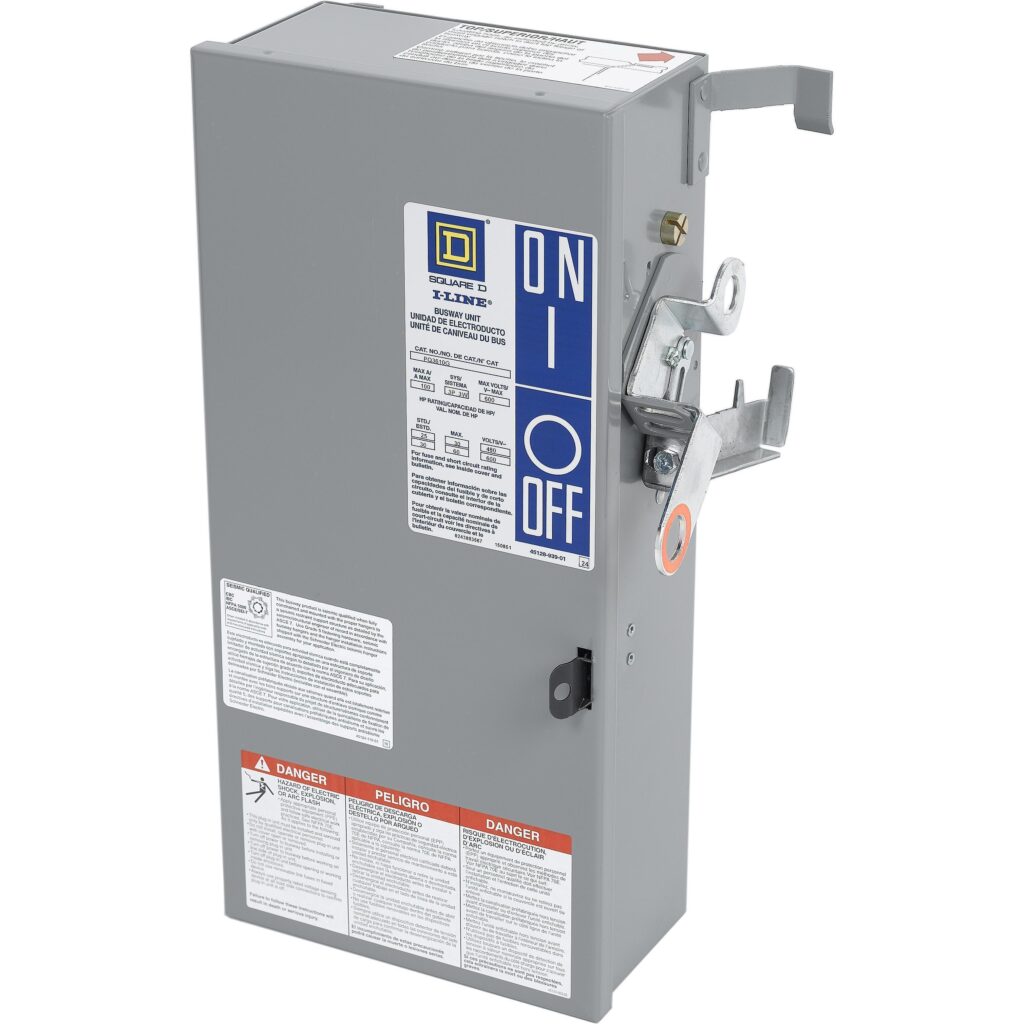
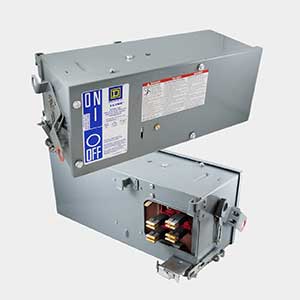
A bus plug is a device that connects to a busway—a type of electrical power distribution system used in industrial and commercial buildings. The bus plug allows you to tap into the power running through the busway and direct it to machinery, equipment, or sub-panels. In simple terms, when someone asks “what is a bus plug?” the answer is this: it’s the component that makes the busway system flexible, allowing power to be accessed exactly where it’s needed.

Bus plugs come in various amperages, voltage ratings, and configurations. They’re designed to be mounted on a bus duct (or busway) and can be easily added, removed, or relocated without major downtime—a feature that makes them ideal for dynamic or growing operations.

How Does a Bus Plug Work?

The busway system distributes electrical power through enclosed metal ducts containing copper or aluminum conductors. Bus plugs are inserted directly into these ducts. Once inserted, the bus plug makes a secure connection with the conductors inside the busway. This allows electrical current to safely flow from the main power source to machinery or other equipment.

Most bus plugs come equipped with a circuit breaker or fusible disconnect switch. This means they not only deliver power but also protect your systems from overloads or faults—offering both convenience and safety in one compact solution.

So if you’re still wondering, “what is a bus plug doing that a traditional panel can’t?” the answer lies in flexibility and modularity. With a bus plug system, adding or changing power feeds doesn’t require cutting into walls or rewiring panels—it’s all plug-and-play.

Real-World Applications of Bus Plugs

Understanding what is a bus plug is just the start. It’s also important to understand how and where they’re used.

Bus plugs are most commonly found in large-scale commercial and industrial environments such as:

  • Manufacturing plants: Machines often need to be moved or reconfigured as production lines evolve. Bus plugs make it easy to relocate power sources with minimal disruption.
  • Warehouses: As storage layouts change, so do power requirements for conveyors, lighting, and other systems.
  • Data centers: High power demand and constant upgrades mean flexibility is crucial—bus plugs help future-proof these setups.
  • Retail spaces: For big box stores and supermarkets, seasonal layouts or remodels can benefit from a modular power distribution system.
bus plugs supplier what is a bus plug

In all these applications, the question “what is a bus plug” becomes not just a definition, but a strategic advantage. It’s a component that supports operational agility, minimizes downtime, and scales with your needs.

Why ElectriConnection Is Your Go-To Source for Bus Plugs

Now that we’ve answered the question, “what is a bus plug,” let’s talk about where to get them. ElectriConnection is a trusted supplier with a vast inventory of new, used, rare, and obsolete bus plugs from major manufacturers like Square D, GE, Siemens, and more.

Whether you need a standard replacement or a hard-to-find model, our wide supplier network and inventory mean we can deliver quickly and cost-effectively. We know how critical uptime is—and we’re here to help keep your operations powered and protected.

So, what is a bus plug? It’s a key to powering your facility safely, flexibly, and efficiently—and at ElectriConnection, we’ve got the right one for you.

What Is A Safety Disconnect Switch

In today’s fast-paced industrial and commercial environments, safety disconnect switches have become indispensable components for ensuring electrical safety. These devices allow operators to quickly and securely isolate power to machinery and other electrical systems, reducing risks during repairs, maintenance, or emergencies. With the right safety disconnect switch in place, businesses can prevent accidents, protect equipment, and comply with safety standards. Let’s explore how these switches can play a pivotal role in creating a safer workplace.

What is a Safety Disconnect Switch?

A safety disconnect switch is an essential component of electrical systems, designed to cut off power supply to equipment when it’s time to perform maintenance or address an emergency. By isolating power, disconnect switches provide a secure environment for electrical work, shielding personnel from electric shocks and reducing the chance of electrical overloads.

There are different types of disconnect switches suited for various applications, including:

  • Fused disconnect switches: Provide overload protection by incorporating fuses that break the circuit in case of excessive current.
  • Non-fused disconnect switches: Lack internal fuses but still offer a safe way to cut off power to machinery. These are often chosen when overcurrent protection is handled elsewhere in the system.

Choosing between these types largely depends on the specific safety needs and electrical setup of a facility.

safety disconnect switch

Key Benefits of Safety Disconnect Switches

Enhanced Safety for Maintenance and Repairs

When maintenance or repairs are needed, disconnecting machinery from its power source is critical. A safety disconnect switch offers a quick way to ensure that all energy sources are safely shut off before work begins, minimizing the risk of electrical accidents. This not only protects personnel but also prevents potential damage to the equipment.

Protection Against Electrical Hazards

Electrical hazards, including shock and fire risks, are reduced when safety disconnect switches are used effectively. They prevent unexpected startup of equipment, which can cause accidents if someone is working on or near the machinery. For high-powered systems, disconnect switches also help in managing overcurrent, which could otherwise damage equipment or create dangerous situations.

Compliance with Electrical Codes and Standards

Installing a safety disconnect switch helps companies comply with the National Electrical Code (NEC) and Occupational Safety and Health Administration (OSHA) standards. These regulations require that specific types of equipment be isolated from power during service, helping businesses avoid legal complications and maintain a safe environment.

Choosing the Right Safety Disconnect Switch

Selecting the proper disconnect switch involves considering several factors to ensure safety and performance. Here are a few tips:

  • Determine Voltage and Current Requirements: Choose a switch rated to handle the specific voltage and current demands of your equipment.
  • Consider the Environment: Outdoor environments may require a weatherproof disconnect switch, while indoor setups might not.
  • Understand Load Types: Choose a disconnect switch that can manage the load requirements of your system, whether it’s for high-powered industrial machinery or smaller equipment.

Consulting with a professional can help ensure that your chosen switch meets the demands of your application and adheres to code requirements.

Best Practices for Using Safety Disconnect Switches

  1. Regular Inspections and Maintenance: Just as with any other critical equipment, regular inspection of safety disconnect switches is essential. Routine checks help ensure that switches are in good working condition and can reliably cut off power when needed.
  2. Proper Training for Personnel: Proper training is crucial for anyone operating a safety disconnect switch. Employees should understand how to safely activate and deactivate switches and be trained to recognize potential issues. By educating staff on correct usage, businesses can further enhance workplace safety and avoid accidents related to improper handling.

Why a Safety Disconnect Switch is Non-Negotiable

Investing in the right safety disconnect switch and following best practices for use and maintenance can make a significant difference in workplace safety. Whether it’s for routine maintenance, unexpected repairs, or emergencies, disconnect switches are vital for ensuring that equipment remains isolated from power sources, providing a safer environment for all. To safeguard your operations, consult with experts on selecting and installing the right switch for your needs, and commit to regular training and maintenance.

By prioritizing safety with a safety disconnect switch, you’re not only protecting your employees but also securing your investment in machinery and equipment. Choose safety first and make electrical disconnects an integral part of your safety strategy.