How to Find Obsolete Residential Circuit Breakers That Fit Your Project Needs


When a home has an older electrical panel, finding the right replacement breaker is not always as simple as walking into a hardware store. Many older panels require obsolete residential circuit breakers that are no longer commonly stocked, no longer manufactured, or difficult to match without the right part information. For homeowners, electricians, remodelers, and property managers, knowing how to identify and source the correct breaker can help keep a project moving safely and efficiently.
At ElectriConnection, we help customers find new, used, reconditioned, and obsolete electrical parts for residential and commercial needs. If you are searching for obsolete residential circuit breakers, the most important step is understanding what information matters before you start looking.
What Are Obsolete Residential Circuit Breakers?
Obsolete residential circuit breakers are breakers that were designed for older electrical panels but are no longer widely available through standard distribution channels. A breaker may become obsolete because the manufacturer discontinued the product line, the panel brand is no longer active, the breaker style was replaced by a newer design, or the part is simply less common in today’s market.
This does not always mean the breaker is impossible to find. In many cases, the right electrical supply partner can help locate an exact match or a suitable replacement option. The key is making sure the breaker fits the panel, matches the required specifications, and is appropriate for the application.
Circuit breakers are safety devices that help protect electrical systems from overloads and potential fire risks, so choosing the correct breaker matters. The U.S. Consumer Product Safety Commission describes fuses and circuit breakers as safety devices that help prevent overloading and fires by stopping the flow of electricity when a problem occurs.
Why the Right Breaker Match Matters
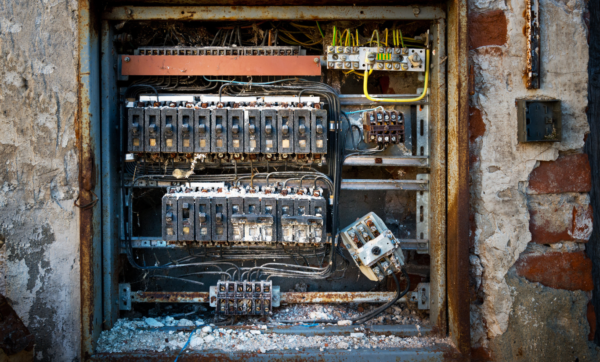
When replacing a breaker, “close enough” is not good enough. Even if two breakers look similar, they may not be interchangeable. Breakers can vary by brand, series, frame, amperage, voltage, pole count, mounting style, interrupt rating, and panel compatibility.
Using the wrong breaker can create fitment problems, poor connections, nuisance tripping, overheating, or unsafe operating conditions. That is why identifying obsolete residential circuit breakers should begin with the information on the breaker and panel, not just the general size or appearance of the part.
For residential projects, this is especially important in older homes where panels may have been installed decades ago. A remodel, repair, inspection, or service upgrade can quickly uncover a need for a breaker that is no longer available at common retail locations.
Check the Breaker Label First
The fastest way to begin identifying obsolete residential circuit breakers is to look at the existing breaker label. If the label is still readable, it may provide several useful details, including:
- Manufacturer or brand name
- Catalog number or part number
- Amperage rating
- Voltage rating
- Number of poles
- Series or type
- Interrupting rating
- UL or listing information
These details help narrow the search and reduce the risk of ordering the wrong part. If the label is worn, faded, or missing, it is often helpful to take clear photos of the breaker, the panel label, and the panel directory.
The panel label is just as important as the breaker label. It may show which breaker types are approved for use in that specific panel. Panel directories and circuit identification also support safer troubleshooting. National Electrical Code guidance requires circuits to be clearly identified in a way that does not depend on temporary occupancy details, such as a person’s name assigned to a room.
Look at the Panel Information
If you cannot identify the breaker from the breaker label alone, the next place to check is the electrical panel. The panel may include a manufacturer name, model number, bus rating, approved breaker types, and wiring diagram. This information can be located on the inside of the panel door, along the panel frame, or on a label inside the enclosure.
When sourcing obsolete residential circuit breakers, panel information helps confirm compatibility. For example, two breakers may share the same amperage, but only one may be listed for use in that panel. Matching the breaker to the panel is one of the most important steps in the sourcing process.
If the panel label is damaged or missing, an electrician may be able to help identify the panel based on its physical design, bus style, and existing breaker configuration.
What to Send When Requesting Help
To make the sourcing process easier, gather as much information as possible before contacting an electrical supply house. A few clear photos and basic details can save time and prevent confusion.
Helpful information includes:
- A clear photo of the front of the breaker
- A close-up photo of the breaker label
- A photo of the side or back of the breaker, if safely removed by a qualified person
- A photo of the panel label
- The amperage and pole count
- The brand or manufacturer name
- The project timeline
- Whether you need new, used, or reconditioned options
This information allows ElectriConnection to help search for obsolete residential circuit breakers that match your project requirements. In some cases, an exact part number may be available. In other cases, the team may need to compare compatible options based on the panel and breaker specifications.
New, Used, and Reconditioned Options
When sourcing older electrical parts, availability can vary. Some obsolete residential circuit breakers may still be found as new old stock. Others may be available as used or professionally reconditioned parts.
New old stock usually refers to unused parts that are no longer actively manufactured. Used breakers may come from existing equipment and should be carefully evaluated before use. Reconditioned breakers are typically cleaned, inspected, and tested according to applicable processes before resale.
The right option depends on the project, code requirements, customer preference, and electrician recommendation. For safety, homeowners should avoid guessing, modifying breakers, or forcing a breaker into a panel where it does not properly belong. Many electrical safety resources recommend using a licensed professional for electrical work, especially when outdated equipment or breaker replacement is involved.
When Replacement May Not Be Enough
Sometimes the search for obsolete residential circuit breakers reveals a bigger issue. If a panel is very old, damaged, overloaded, poorly labeled, or difficult to service, it may be time to discuss whether a panel upgrade is a better long-term solution.
That does not mean every older panel automatically needs replacement. However, frequent tripping, signs of overheating, buzzing, corrosion, burning smells, or unavailable replacement parts should be reviewed by a qualified electrician. A breaker is only one part of the electrical system, and the panel, wiring, load demand, and installation condition all matter.
ElectriConnection Helps Source Hard-to-Find Breakers
Finding obsolete residential circuit breakers can feel frustrating when you are working with an older home, a tight repair timeline, or a panel that uses a discontinued breaker type. The good news is that the right information makes the search much easier.
Start with the breaker label, confirm the panel information, gather clear photos, and work with a knowledgeable electrical supply team that understands obsolete parts. ElectriConnection stocks and sources a wide range of circuit breakers, including new, used, reconditioned, and obsolete models for customers who need reliable replacement options.
Whether you are an electrician trying to finish a service call or a property owner trying to maintain an older electrical system, ElectriConnection can help you identify and source obsolete residential circuit breakers that fit your project needs.