Bus Plugs: How to Choose the Right Fit for Your Busway

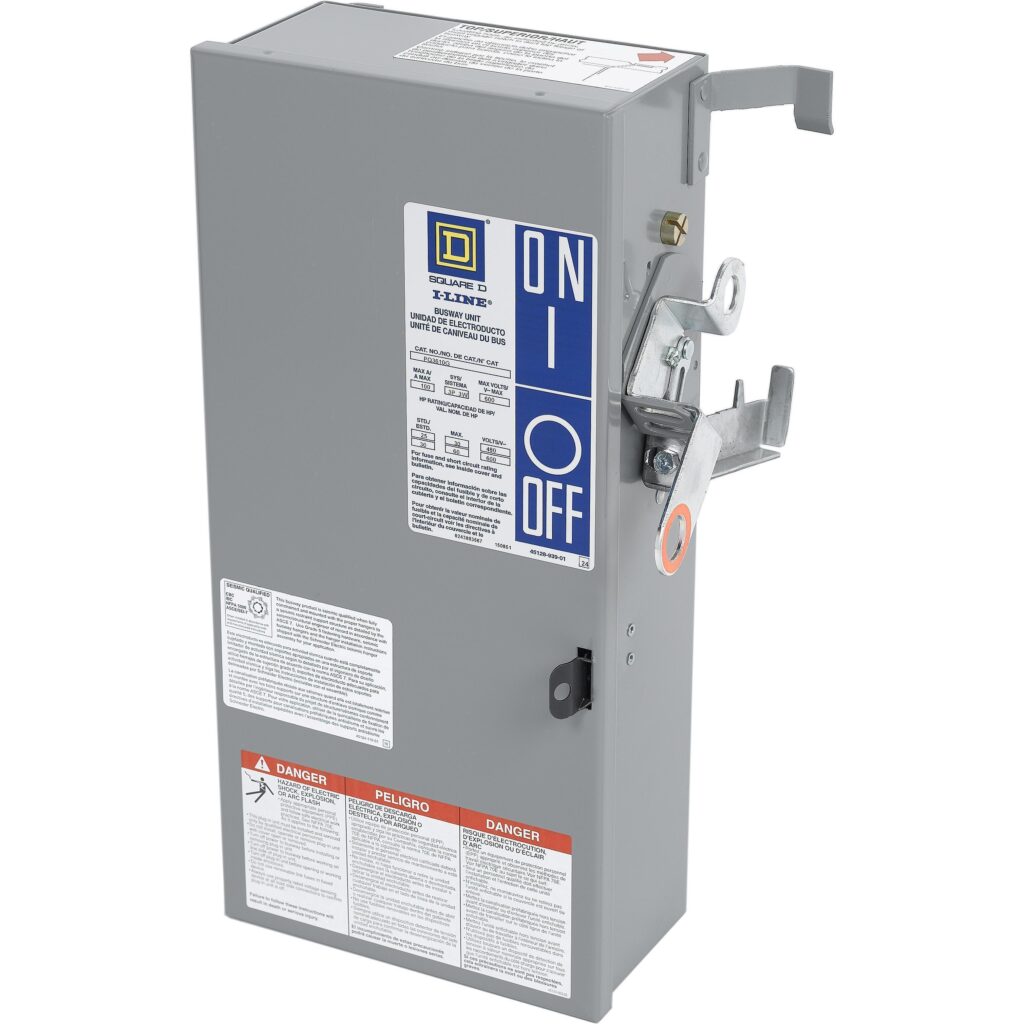
When a production line needs another power connection or a damaged unit fails, ordering bus plugs can seem straightforward. Match the amperage, place an order, and restart production. But bus plugs are not interchangeable just because they look alike. A good match starts with the existing busway, electrical load, and required protection. Knowing what to check before requesting a quote helps prevent delays and costly mistakes.
Where Bus Plugs Fit Into Power Distribution
A busway distributes electricity along enclosed conductors. Plug-in units connect loads at designated points, often through a fused switch or circuit breaker. Instead of building a feed from a distant panel for every machine, facilities can use compatible bus plugs where the busway has capacity and an approved connection point.
That flexibility matters in manufacturing plants and warehouses where equipment layouts change. Still, adding bus plugs does not create electrical capacity. A qualified electrical professional must confirm that the busway and upstream equipment support the load.
Start With Busway Compatibility
Before comparing prices on bus plugs, identify the existing busway’s manufacturer, product family, and series. Check its nameplate and the original unit’s catalog number. A plug designed for one system may not suit another, even when the enclosure and amp rating look similar.
Older installations need extra attention. Manufacturers sometimes revise connections, grounding, or mounting requirements. New bus plugs are not automatically replacements for discontinued models. Have your electrician check catalog information against manufacturer documentation rather than appearance.
OSHA’s electrical equipment requirements also emphasize that listed or labeled equipment must be installed and used according to the instructions included in its listing or labeling, making manufacturer compatibility an important part of the selection process.
Check the Electrical Ratings
The correct bus plugs must fit the application electrically as well as physically. Before ordering, confirm these details:
- Voltage: Match the unit’s voltage rating to the system and intended circuit.
- Amperage: Confirm the required load and appropriate protection rating; bigger is not automatically better.
- Phase and wires: Verify the circuit configuration, including whether a neutral is needed.
- Short-circuit rating: Have a qualified professional check available fault current and the equipment’s applicable ratings.
- Mounting and environment: Check whether the busway runs horizontally or vertically and whether the unit suits its installed location.
These checks matter for replacements and new connections. Selecting bus plugs by amperage alone can overlook critical differences.
Fused or Circuit Breaker Bus Plugs?
Two common choices are fusible units and circuit breaker units. Both provide a way to connect a load to the busway, but they use different overcurrent protection devices.
Fusible bus plugs contain a switch and specified fuses. They may make sense when the system design calls for a particular fuse class and rating. Replacement fuses must match the approved application, not merely fit the holder.
Circuit breaker bus plugs use a breaker for circuit protection and switching. They can be appropriate when a resettable protective device is specified, provided the breaker type, trip rating, and interrupting rating meet the installation’s requirements.
Neither choice is universally preferable. The correct option depends on the existing equipment, the electrical design, and any applicable manufacturer instructions.
Replacing an Obsolete Unit Without Guesswork
A discontinued catalog number does not always mean the entire busway needs replacement. It does mean the search should be more specific. For older bus plugs, gather clear photos of the nameplate, connection side, and any visible model numbers. Document the existing protection device, ratings, and installation orientation. If the original unit has failed, have a qualified professional assess why before putting a replacement into service.
Availability affects timing. Ask whether a replacement is new, used, surplus, or reconditioned, and request item-specific condition and testing information. A supplier locating a model does not establish compatibility or approval.
Find the Right Bus Plugs With ElectriConnection
At ElectriConnection, we help contractors and facility teams source bus plugs for current and older busway systems. Our selection includes fused and circuit breaker styles across product families from Siemens/ITE, Eaton/Cutler-Hammer/Westinghouse, Square D, GE/ABB, and other manufacturers. We also work with a network of more than 200 suppliers nationwide to help locate hard-to-find equipment.
Send us your manufacturer, catalog number, ratings, photos, quantity, and project timeline. Browse our bus plugs selection or request a quote, and we’ll help narrow down options. A qualified electrical professional should confirm final suitability and installation.