What Does MCC Stand for in Electrical Systems?


If you work in industrial, commercial, or facility electrical environments, you’ve probably come across the term MCC. Many people search what does MCC stand for in electrical when troubleshooting equipment, reviewing drawings, or sourcing replacement components, but the answer involves more than just an acronym.
Understanding what an MCC is, how it functions, and why it matters can help prevent downtime, improve safety, and simplify maintenance decisions.
What Does MCC Stand for in Electrical?
In electrical systems, MCC stands for Motor Control Center.
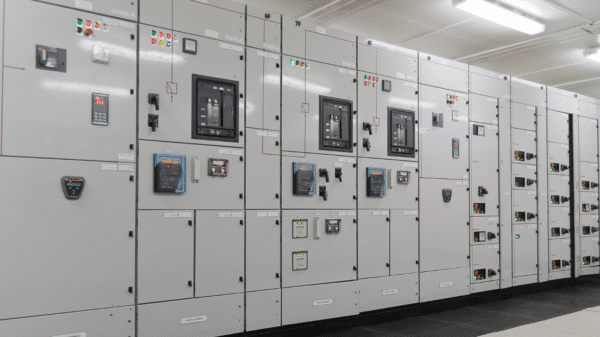
A Motor Control Center is a centralized assembly that houses motor starters, circuit protection, and control devices used to manage and protect electric motors. MCCs are commonly found in industrial and commercial facilities where multiple motors operate machinery, pumps, fans, or conveyors.
So when someone asks what does MCC stand for in electrical, the answer is simple, but its role is critical.
What Is a Motor Control Center?
A Motor Control Center is a modular, enclosed system designed to:
- Control motor operation
- Protect motors from electrical faults
- Centralize motor-related components
- Simplify troubleshooting and maintenance
Instead of individual motor controls scattered throughout a facility, an MCC brings everything together in one organized location.
What Components Are Inside an MCC?
Understanding what does MCC stand for in electrical also means understanding what’s inside one. A typical MCC may include:
- Motor starters
- Circuit breakers or fused disconnects
- Contactors
- Overload relays
- Variable frequency drives (VFDs)
- Control transformers
- Terminal blocks and wiring
Each motor bucket within the MCC is dedicated to a specific motor or load, making system management more efficient.
Where Are MCCs Commonly Used?
Motor Control Centers are widely used in environments where motors are essential to daily operations, including:
- Manufacturing plants
- Water and wastewater facilities
- Food and beverage processing
- Oil and gas operations
- Commercial HVAC systems
- Data centers and large mechanical rooms
For facilities running multiple motors, MCCs provide structure, safety, and reliability.
Why MCCs Matter in Electrical Systems
MCCs play a key role in electrical system performance and safety. When people search what does MCC stand for in electrical, they’re often trying to understand why these systems are so important.
Key benefits include:
- Centralized motor control
- Improved electrical protection
- Faster troubleshooting
- Reduced downtime
- Safer maintenance procedures
By isolating faults and organizing controls, MCCs help prevent minor issues from becoming major failures.
MCCs and Legacy Electrical Systems
Many older facilities still rely on MCCs that were installed decades ago. While the enclosures themselves are built to last, internal components such as breakers, starters, and contactors may become discontinued over time.
This is where expertise and sourcing matter.
Replacing an entire Motor Control Center can be costly and disruptive. In many cases, maintaining or upgrading individual components is a more practical solution, especially for legacy systems.
Sourcing MCC Components and Replacement Parts
Finding compatible MCC components can be challenging, particularly for older or discontinued equipment. Part numbers change, manufacturers merge, and original components may no longer be produced.
That’s why working with a knowledgeable supplier is essential.
ElectriConnection supports customers by sourcing:
- MCC breakers and motor starters
- Legacy and discontinued components
- Reconditioned electrical parts
- Compatible alternatives for aging systems
Their experience with Motor Control Centers helps ensure the right part is selected the first time.
MCC vs. Panelboard or Switchgear
Another reason people ask what does MCC stand for in electrical is to understand how it differs from other electrical equipment.
- MCCs focus specifically on motor control and protection
- Panelboards distribute power to branch circuits
- Switchgear manages high-power distribution and system protection
Each serves a different purpose, but MCCs are uniquely designed around motor-driven applications.
Why Understanding MCCs Saves Time and Money
Knowing what does MCC stand for in electrical isn’t just about terminology, it helps with:
- Reading electrical drawings accurately
- Ordering the correct replacement parts
- Communicating clearly with electricians and suppliers
- Making informed maintenance decisions
A clear understanding reduces errors, delays, and unnecessary system upgrades.
Your Resource for MCC Knowledge and Parts
Motor Control Centers are a cornerstone of industrial electrical systems. Whether you’re maintaining existing equipment, replacing components, or troubleshooting a motor issue, understanding MCCs is essential.
ElectriConnection helps bridge the gap between technical knowledge and real-world solutions by supporting MCC systems with expertise, hard-to-find parts, and reliable sourcing.